
Withering Realms Talisman guide
Seventy charms, two jobs on the limbs, four body slots, and a warning about Early Access loops.
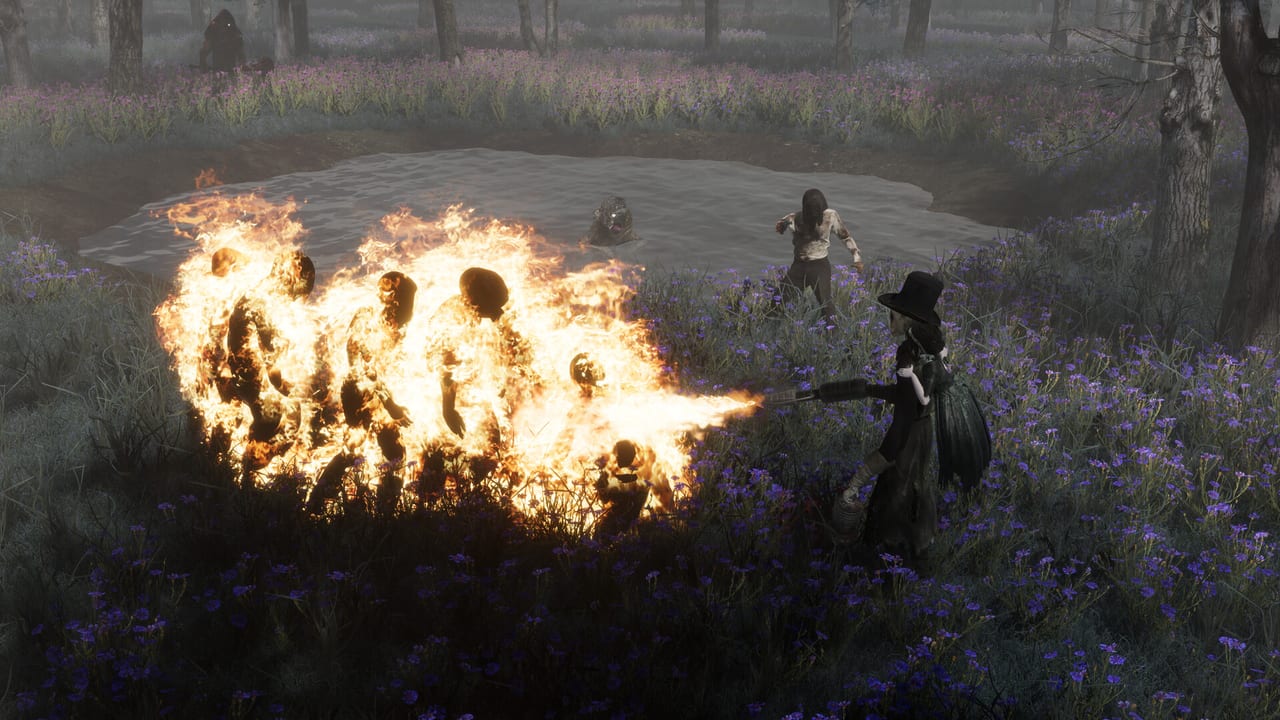
Talismans are how a finished socket still changes. The doll’s right-arm crafts lock their behaviour at the bench. Charms do not rewrite that behaviour into a new weapon; they change the cost of using it, the damage it deals, the way a hit is survived, and whether an arm effect can fire again when a condition is met. Withering Realms includes seventy talismans. This page will not invent names for them. Names that do not exist in public materials become a fan-fiction item list, and a fan-fiction item list is how wikis rot.
What we do have is a clean split. Limb talismans sit on the arms and either boost damage or reduce resource use. Four body talismans either protect the doll or retrigger those arm talismans when conditions are met. That is enough structure to plan a build and enough rope to hang an Early Access save if you stack retriggers without reading the condition text.
Limb talismans — damage or economy
Treat every limb charm as a vote. Damage says the fight should end sooner. Economy says the fight should remain possible. The Pivoting Greatsword often wants damage because its job is occupancy and finish. Chain Rock often wants economy because a crowd tool that stalls is a crowd tool that gets you surrounded. The Machinegun and Flamethrower are hungry by design; a resource-cut limb is frequently the difference between an A-tier lane and a panic reload in a doorway. The Enchanted Candelabrum rarely wants a damage limb first. Light is the product. If you put a damage charm on a light and then complain the night still hurts, you voted for the wrong job.
You still have two arms. The right socket is the named craft. The left arm holds shields, pistols, and utility. A damage limb on a pistol left hand is a different sentence from a damage limb on a flame right hand. An economy limb on a shield is a statement that you expect to hold, not that you expect to delete. Do not copy a “best talisman” row from a video without asking which limb it was actually sitting on. The weapon ranking is useless if you charm the wrong arm.
Level tracks matter here. A right arm you never level will not be saved by a damage charm. A body you never level will not be saved by an economy charm when the hit still lands. Talismans multiply a plan. They do not replace the doll’s three upgrade tracks.
Body talismans — four slots, two missions
Four body talismans is a small number on purpose. You are not filling a Christmas tree. You are choosing whether the doll’s torso is a shield or a trigger box. Protection is the boring, correct choice when you are still learning spacing in the combat guide. Retrigger is the interesting, dangerous choice when a limb charm has a condition you actually understand.
Retrigger means an arm talisman can fire again when something in the fight matches its rule. Public materials do not list those rules as a spoiler table, and this page will not invent timers, HP thresholds, or elemental tags to look more complete. What you should take away is the shape: a body slot can turn a once-per-exchange limb bonus into a loop. Loops are why the developer can say, in plain language, that overpowered talisman combinations are expected during Early Access.
If a retrigger condition looks like it always happens — every swing, every reload, every time Clover’s catalyst ticks — you have found a candidate for a bug report, not a secret you should hide in a Discord screenshot. Steam Early Access is dated 2 September 2026. The 1.0 build and consoles are planned for 2027. This is the window where unfair loops are supposed to be seen.
Protection body talismans are not a failure of imagination. A two-metre doll that eats a hit while Clover is mid-consumable is a common death. A torso that reduces that hit, shrugs a status, or otherwise keeps the animation honest will save more runs than a retrigger you only half understood. Put protection on while you learn a dungeon. Swap to retrigger when you can name the condition without looking at the charm.
How charms sit on a real kit
A heavy melee plan wants a damage limb on the greatsword arm, an economy or utility limb on the left if that hand is a shield, and a protection body until you can retrigger something you can describe in one sentence. A chain-and-crowd plan wants economy on the chain, damage only after the chain can keep moving, and a retrigger body only if the condition is pack-related rather than a once-a-minute lottery. A gun or flame plan wants economy first, damage second, and a body that either keeps you alive while you hold a line or retriggers the economy so the magazine is not the real boss. A catalyst-support plan wants Clover’s hands free; body protection is usually more honest than a retrigger that demands you stare at the torso instead of the spell.
Penwyll’s shops and the repair shop are where these decisions become items instead of theory. Clocktower and Mazechapel are not talisman vendors in the abstract; they are places you return to after a dungeon with materials and questions. If you cannot afford a charm, you cannot test a loop. Do not write a twelve-talisman fantasy on paper when you still have two empty limb slots and a body running naked through Saintswood-adjacent grass.
Night revisits change the vote. A damage limb that felt correct at noon can feel greedy when you cannot see the room. A protection body that felt timid can feel like the only reason the candelabrum plan works. Swap before you enter, not after the first unseen grab.
What “overpowered” means here
It does not mean you cheated. It does not mean the wiki should hide the combination. It means a retrigger plus a damage limb plus a hungry weapon can erase a job the dungeon was supposed to ask. Moonless Formless has said there is a lot of build variety and that those unfair pairs are expected while balance is tested daily. Log the condition. Finish the dungeon if you want the materials. Then send a report that names the limbs, the body slots, and the weapon socket — not “talismans OP.” The Early Access notes exist so that report lands in the right tone.
Do not farm a loop as if it were a shared-session strat. The campaign is single-player. The only person you are racing is yourself, and the only person you are spoiling the experiment for is the solo developer who has to read the clip.
Write down the condition that made a retrigger feel unfair. That note is more useful than any letter grade this wiki could print next to a nameless charm.
Frequently Asked Questions
Quick answers for Penwyll, the doll, and Early Access.
Do limb talismans customise a weapon’s moveset?
No. Right-arm crafts keep set behaviours after they slot in. Limb talismans boost damage or reduce resource use. They do not turn a Chain Rock into a Pivoting Greatsword. See the weapon ranking for socket jobs.
What do the four body talismans actually do?
They either protect the doll or retrigger arm talismans when conditions are met. This page does not invent those condition names. Read the in-game text, then decide whether your build wants a shield for a torso or a trigger box.
Should I chase overpowered talisman combos on purpose?
You will find some without chasing; Early Access is expected to include them. Use them, log the condition, and report the unfair ones. Hiding a loop does not help the 2027 1.0 balance pass.
Which limb should I charm first?
Charm the arm that is doing the job you are dying on. Hungry guns and flames often want economy. Greatswords often want damage. Lights often want to stay lights. Pair the choice with the combat guide rather than a generic “damage is king” rule.
Why won’t this wiki list all seventy talismans by name?
Because public materials do not name them as a complete item dump, and inventing names would be fiction. We describe the limb-versus-body rules so you can evaluate whatever the repair shop actually hands you.